
The middle east restaurant and nightclub
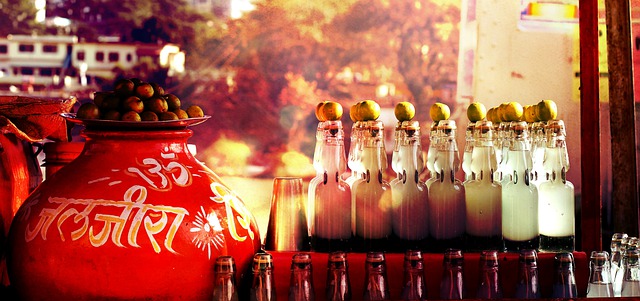
The Middle East Restaurant and Nightclub – Dining, Music and Nightlife
The Middle East restaurant and nightclub scene brings together international cuisine, stylish dining venues, live music and a wide variety of evening entertainment. From Dubai’s sophisticated restaurants and nightlife destinations to Beirut’s vibrant dining culture, Cairo’s musical traditions and Riyadh’s modern hospitality industry, visitors can discover different ways to enjoy an evening out across the region.
Restaurants and nightclubs are not necessarily the same type of establishment. Some venues combine dining with DJs, live performances or late-night entertainment, while others concentrate entirely on food and hospitality. Understanding these differences is particularly important in the Middle East, where nightlife regulations and cultural traditions vary considerably between countries.
This guide explores well-known restaurant concepts, regional entertainment traditions and the relationship between dining and nightlife. It also explains what visitors should consider when looking for a restaurant, lounge or nightclub in different Middle Eastern destinations.
The Middle East Restaurant and Nightclub Scene
Dining has an important place in Middle Eastern social life. Restaurants, cafés and hospitality venues provide opportunities for families, friends and visitors to meet, particularly during the evening.
In some cities, restaurants and nightclubs operate as separate businesses. In others, hospitality concepts combine dining with music, entertainment and social experiences that continue late into the night.
Dubai, Beirut and Cairo illustrate different approaches to this relationship between gastronomy and nightlife.
Dubai is associated with international restaurant brands, hotel lounges and licensed entertainment venues. Beirut has a longstanding culture of restaurants, bars and live music, while Cairo combines modern dining with traditional Egyptian performance culture.
For a broader regional overview, readers can explore our guide to Middle Eastern night clubs.
Dubai – Fine Dining, Restaurants and Nightlife
Dubai has developed one of the region’s most international hospitality industries. The city offers a wide selection of restaurants, lounges, hotel bars and entertainment venues influenced by cuisines and cultures from around the world.
Some establishments combine dining with DJs or special evening events, while others focus on refined cuisine and a sophisticated restaurant atmosphere.
Visitors looking for Arabian night clubs in Dubai should distinguish between restaurants offering occasional entertainment and dedicated nightclubs with regular music programmes.
La Cantine du Faubourg – French-Inspired Dining in Dubai
La Cantine du Faubourg is a French-inspired restaurant concept associated with Dubai’s international dining scene.
Its identity draws on contemporary French hospitality, combining restaurant culture with a fashionable urban atmosphere.
The concept illustrates how Dubai’s restaurant industry has attracted internationally influenced dining experiences that appeal to residents and visitors.
Although a restaurant may offer music or special events, this does not automatically make it a conventional nightclub. Visitors interested in a particular entertainment programme should check the establishment’s current offerings before making reservations.
Qbara – A Former Dubai Restaurant Concept
Qbara was a distinctive restaurant concept associated with Dubai’s luxury dining industry.
Its interior design and contemporary approach to Middle Eastern-inspired cuisine contributed to its reputation as an ambitious hospitality destination.
The venue became an example of the city’s interest in combining regional culinary influences with international restaurant design.
Qbara should be understood as part of Dubai’s restaurant history rather than presented as a confirmed current dining or nightlife recommendation.
Restaurants, Lounges and Nightclub Entertainment in Dubai
Dubai’s hospitality industry offers several types of evening experiences.
Visitors may choose a restaurant for dinner, a hotel lounge for drinks and conversation, or a licensed nightclub for DJs and dancing.
Some hospitality concepts combine elements of these experiences, but admission requirements, entertainment programmes and operating hours depend on the individual venue.
Historic nightclub brands such as Mahiki also illustrate Dubai’s connections with international entertainment concepts. However, older nightclub names should not be treated as evidence that particular locations remain open today.
Beirut – Restaurants, Music and Urban Nightlife
Beirut has long been associated with a diverse restaurant and entertainment culture.
The city’s hospitality industry has been influenced by Lebanese cuisine, Mediterranean traditions, international dining concepts and contemporary music.
Restaurants, bars and music venues have contributed to Beirut’s reputation as a destination where dining and evening entertainment can be closely connected.
However, economic conditions and changes within the hospitality industry can affect individual establishments, making current operating information particularly important.
MYU – Beirut’s Contemporary Restaurant Culture
MYU is a name associated with Beirut’s contemporary restaurant and lounge scene.
Earlier descriptions of the establishment emphasised a fashionable urban atmosphere and an interior influenced by industrial design.
Such restaurant concepts reflect Beirut’s interest in combining modern architecture, international hospitality and social dining.
However, historical descriptions do not confirm that MYU continues to operate under the same name or with the same services today.
Visitors should verify the current status of the establishment before planning a visit.
Baron – Contemporary Dining in Beirut
Baron is another restaurant name associated with Beirut’s modern dining culture.
Its culinary concept has been described in terms of contemporary Mediterranean influences, seasonal ingredients and dishes designed for sharing.
This approach reflects the broader development of Beirut’s restaurant industry, where traditional regional ingredients can be combined with international culinary techniques.
However, restaurant menus, management and operating arrangements can change over time.
Baron should therefore be researched through current information before being selected as a dining destination.
Dining and Live Music in Beirut
Beirut’s entertainment culture extends beyond individual restaurants.
Live music, international DJs and contemporary Lebanese performers have all contributed to the city’s nightlife identity.
Some venues concentrate on dining, while others offer bars, concerts or nightclub entertainment.
Visitors interested in Arabic music should check whether a venue hosts regular performances or only occasional special events.
Cairo – Restaurants and Egyptian Entertainment
Cairo offers a different combination of dining and nightlife, influenced by Egypt’s longstanding musical and performance traditions.
Restaurants, hotel lounges, live music venues and Nile dinner cruises provide a variety of evening experiences.
Egyptian entertainment has historical connections with Arabic music, cabaret performances and professional dance, although these traditions are not featured at every restaurant.
Izakaya – Nikkei Cuisine in Cairo
Izakaya is a restaurant name associated with Cairo’s international dining scene and Nikkei cuisine.
Nikkei cooking combines Japanese culinary techniques with Peruvian ingredients and flavours, creating a distinctive fusion of two food traditions.
This type of restaurant illustrates the diversity of Cairo’s modern gastronomy beyond traditional Egyptian cuisine.
However, a restaurant specialising in Nikkei food should not automatically be classified as a nightclub.
Visitors interested in Izakaya should confirm its current location, operating status and dining arrangements before making reservations.
Nile Dinner Cruises and Live Entertainment
Nile dinner cruises are among Cairo’s recognised evening attractions.
These experiences combine dining with views of the city from the river, and some operators include live music or traditional entertainment.
Depending on the programme, performances may feature Egyptian music, dance or other cultural presentations.
Entertainment varies between providers, and visitors should confirm the details before booking.
For a more detailed overview of the country’s entertainment culture, explore our guide to night clubs in Egypt.
Riyadh – Restaurants and Evening Entertainment
Saudi Arabia’s hospitality industry has developed alongside the country’s expanding tourism and entertainment sectors.
Riyadh offers a growing selection of restaurants, cafés, international dining concepts and leisure destinations.
However, restaurants and organised entertainment events should not be confused with conventional alcohol-serving nightclubs.
Porterhouse – Steakhouse Dining in Riyadh
Porterhouse is a restaurant name associated with steakhouse dining in Riyadh.
The concept focuses on meat dishes and a contemporary restaurant experience rather than conventional nightclub entertainment.
Steakhouse restaurants may appeal to visitors looking for an evening meal, but they should not be described as nightclubs simply because they operate during evening hours.
Visitors interested in Porterhouse should confirm its current operating status, location and menu directly with the establishment.
Restaurants, Concerts and Saudi Entertainment
Saudi Arabia has expanded its leisure industry through restaurants, cultural attractions, concerts and major entertainment events.
Riyadh Season and other organised programmes have introduced new experiences for residents and international visitors.
Nevertheless, Saudi Arabia’s regulatory environment differs substantially from Dubai’s licensed nightlife industry.
Alcohol and gambling remain prohibited for the general public, and conventional alcohol-serving nightclubs are not a standard part of Saudi public entertainment.
Readers can learn more in our article about night clubs in Saudi Arabia.
Restaurants and Evening Entertainment in Kuwait
Kuwait has a distinctive dining and social culture centred on restaurants, cafés, shopping destinations and hospitality establishments.
International restaurants and local culinary traditions contribute to the country’s evening leisure activities.
However, Kuwait maintains strict alcohol restrictions and does not have a conventional licensed, alcohol-serving nightclub industry comparable to Dubai.
Visitors should therefore distinguish between restaurants offering evening hospitality and nightclubs operating in countries with different entertainment regulations.
Restaurant recommendations in Kuwait should be based on verified dining information rather than unsupported claims about nightclub facilities.
Dinner, DJs and Live Entertainment – Different Hospitality Concepts
The relationship between restaurants and nightlife can take several forms.
Restaurants with Live Music
Some restaurants organise live performances featuring singers, instrumentalists or regional music.
These performances may accompany dinner without turning the establishment into a nightclub.
Restaurant Lounges and DJ Events
Selected lounges and hospitality venues feature DJs or special music events during the evening.
The atmosphere can range from relaxed background music to more energetic entertainment, depending on the venue.
Dedicated Nightclubs
Conventional nightclubs generally focus on dancing, DJs and late-night entertainment rather than dining.
Some may offer table reservations or food service, but these features vary between establishments.
Readers interested in music-focused venues can explore our guide to Arabic night clubs.
How to Choose a Middle East Restaurant and Nightclub
Visitors searching for a restaurant or nightclub in the Middle East should first decide whether their priority is food, music, dancing or a combination of these experiences.
A fine-dining restaurant may be suitable for a quiet evening, while a lounge with live music can offer a more social atmosphere.
Travellers interested in DJs and dancing may prefer a dedicated nightclub in a destination where such establishments are licensed.
Before visiting, it is useful to check the venue’s current operating status, location, opening hours, menu, reservation requirements and entertainment programme.
Our guide to Arabian night club near me offers additional information about exploring nightlife options.
Dining and Nightlife Regulations Across the Middle East
Hospitality and entertainment regulations vary considerably between Middle Eastern countries.
Dubai permits alcohol service in authorised establishments, subject to licensing requirements and local regulations.
Lebanon and Egypt have their own legal frameworks for restaurants, bars and entertainment venues.
Saudi Arabia and Kuwait maintain much stricter alcohol restrictions, and visitors should not assume that conventional nightclub facilities are available.
Dress codes, age requirements, admission policies and entertainment permissions can also differ between venues.
Checking current local regulations and individual establishment policies is an important part of planning an evening out.
The Middle East Restaurant and Nightclub – Final Thoughts
The Middle East restaurant and nightclub scene offers a wide range of dining and entertainment experiences, but the relationship between restaurants and nightlife differs considerably from country to country.
Dubai combines international gastronomy with licensed nightlife venues, while Beirut has a longstanding restaurant and music culture. Cairo offers contemporary dining alongside Egyptian musical traditions, and Riyadh provides an expanding selection of restaurants and organised entertainment.
Restaurant names such as La Cantine du Faubourg, Izakaya, MYU, Porterhouse, Baron and the former Qbara illustrate the diversity of dining concepts associated with the region.
However, these establishments should not automatically be classified as nightclubs, and their current availability should be confirmed before visiting.
For more information about regional nightlife, music and hospitality, visit Arabian Night Clubs.
International Online Casino Information
Alongside our restaurant and nightlife guides, ArabianNightClubs.com provides editorial information and comparisons concerning international online casino platforms.
Online casino services are separate from physical restaurants, nightclubs and entertainment venues. Gambling laws differ between countries, and an international gaming licence does not automatically authorise an operator to provide services in a particular jurisdiction.





18+ | Important Notice: The casinos listed above are presented for informational and comparison purposes only. Gambling laws vary by country. An international gaming licence does not automatically authorise gambling in every jurisdiction. Please check your local laws and gamble responsibly.